ReactNavigation(v5) MaterialTopTabNavigator のインジケータのカスタマイズ
はじめに
ReactNavigationのMaterialTopTabNavigatorのカスタマイズ方法がdocに載っていなかったのでメモ。
ReactNavigation Doc :TabNavigatorConfig
やったこと

書いたコード
import React from 'react';
import { createMaterialTopTabNavigator } from '@react-navigation/material-top-tabs';
import { Text, View, StyleSheet } from 'react-native';
import { LinearGradient } from 'expo-linear-gradient';

const Tab = createMaterialTopTabNavigator();

const Tab1Screen = () => {
  return (
    <Text>タブ1画面</Text>
  )
}

const Tab2Screen = () => {
  return (
    <Text>タブ2画面</Text>
  )
}

export const TopTabNavigator =  () => {
  const renderIndicator = (route) => {
          if (!route.getTabWidth()) {
            return null;
          }
          return (
          <View style={{
            display: 'flex',
            flexDirection: 'column',
            justifyContent: 'flex-end',
            width: route.getTabWidth(),
            height: '100%',
            left: route.navigationState.index * route.getTabWidth(),
          }}>
            <LinearGradient
              colors={['blue', 'red']}
              start={{ x: 0, y: 0 }}
              end={{ x: 1, y: 0 }}
              style={styles.gradient}
            />
          </View>
        );
  };

  return (
    <Tab.Navigator tabBarOptions={{
      renderIndicator: renderIndicator,
    }}
    >
      <Tab.Screen name="Tab1" component={Tab1Screen} />
      <Tab.Screen name="Tab2" component={Tab2Screen} />
    </Tab.Navigator>
  );
}

const styles = StyleSheet.create({
  gradient: {
    width: '100%',
    position: 'absolute',
    height: 2,
  }
});
Nuxt.jsでレイアウトをIE11対応しようとした
はじめに
突然のIE対応。今までブラウザ対応とは縁のない生活だったので、学んだことのメモ。
Nuxtのブラウザ対応について
とりあえず公式ドキュメントを読んでみた
Nuxt.js は PostCSS Preset Env を適用しました。デフォルトでは、Stage 2 features と Autoprefixer が有効になっています。build.postcss.preset を使うことで設定が出来ます
ん???
Autoprefixerとは
必要なベンダプレフィックスを自動で付けてくれる便利なツール
ん?????
まとめ
Nuxt側のAutoprefixerが自動でプレフィックスを付与してしてくれるので、手動でのプレフィックスの設定はいりませんでした!!
Androidのエミュレーターからlocalhostへアクセスしたい
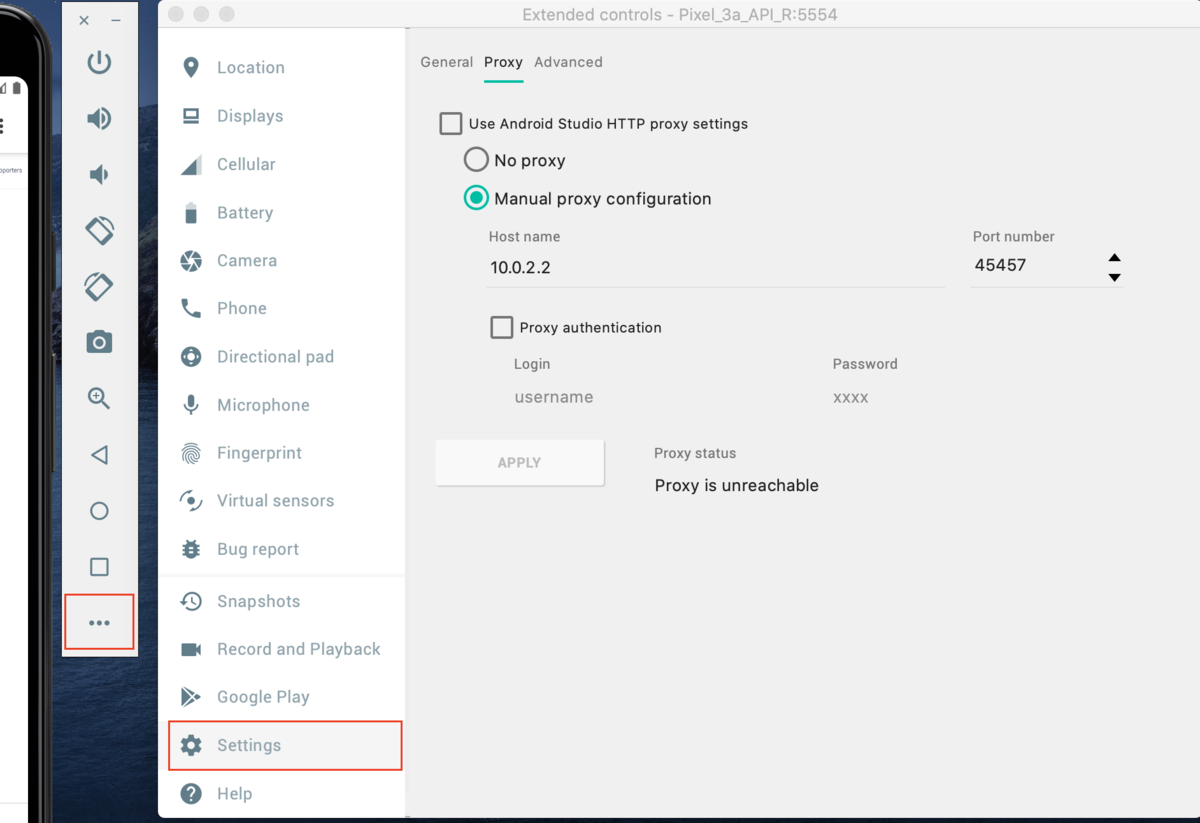
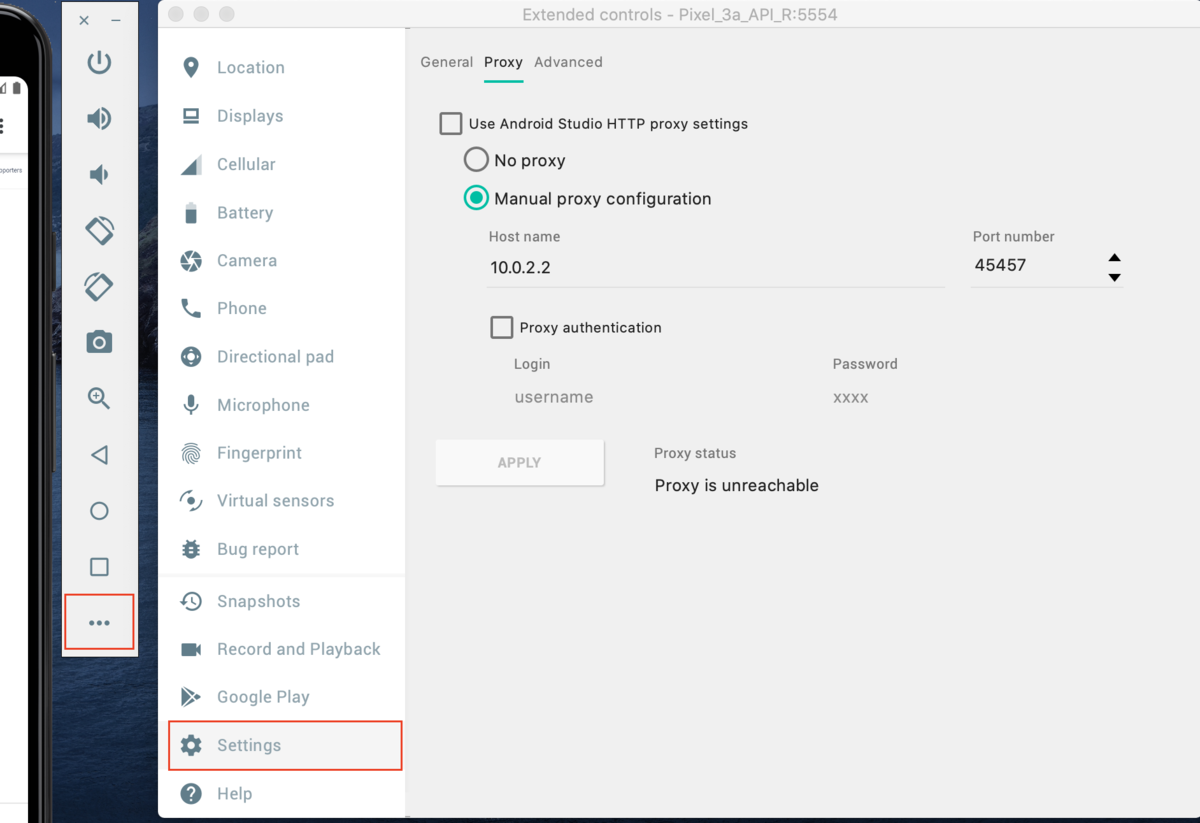
Androidのエミューレーターで突然のエラー
はじめに
Expoで実装時にAndroidのエミュレーターを立ち上げると突然のエラー。 iosの環境では正常に立ち上がるのではてさて・・・
環境
- Expo v37.0.8
- AndroidStudio v3.6.3
エラーの挙動
Run on Android device/emulator で立ち上げるとAndroidの画面に。
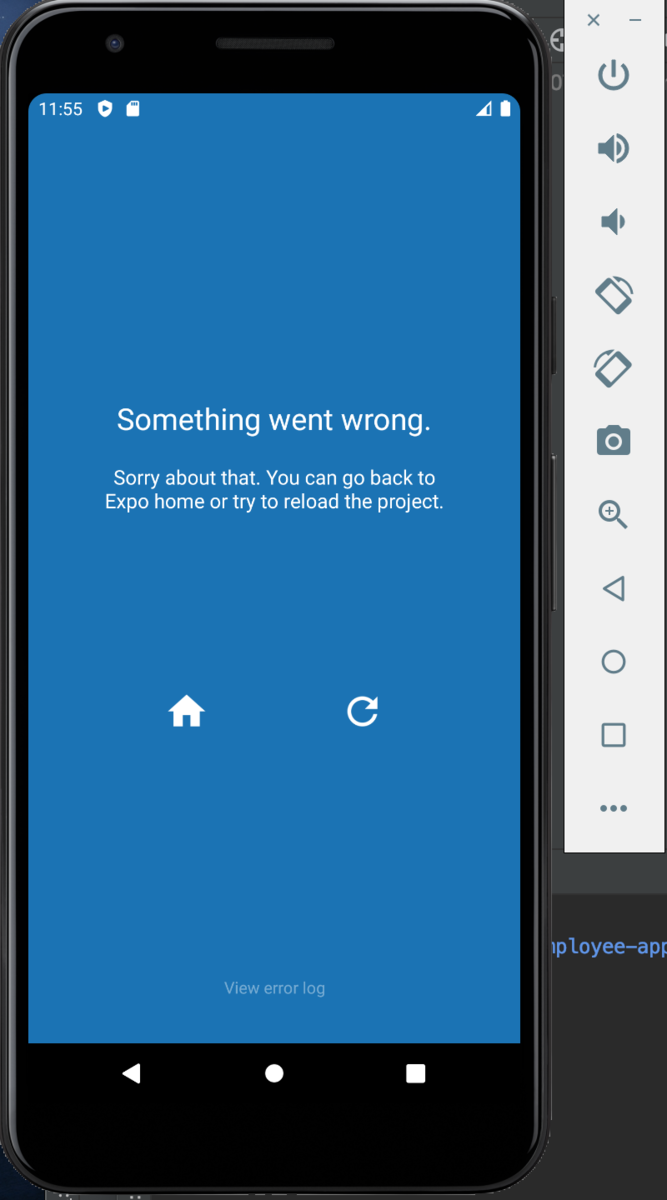
Something went wrong.
めげずにリロードするも
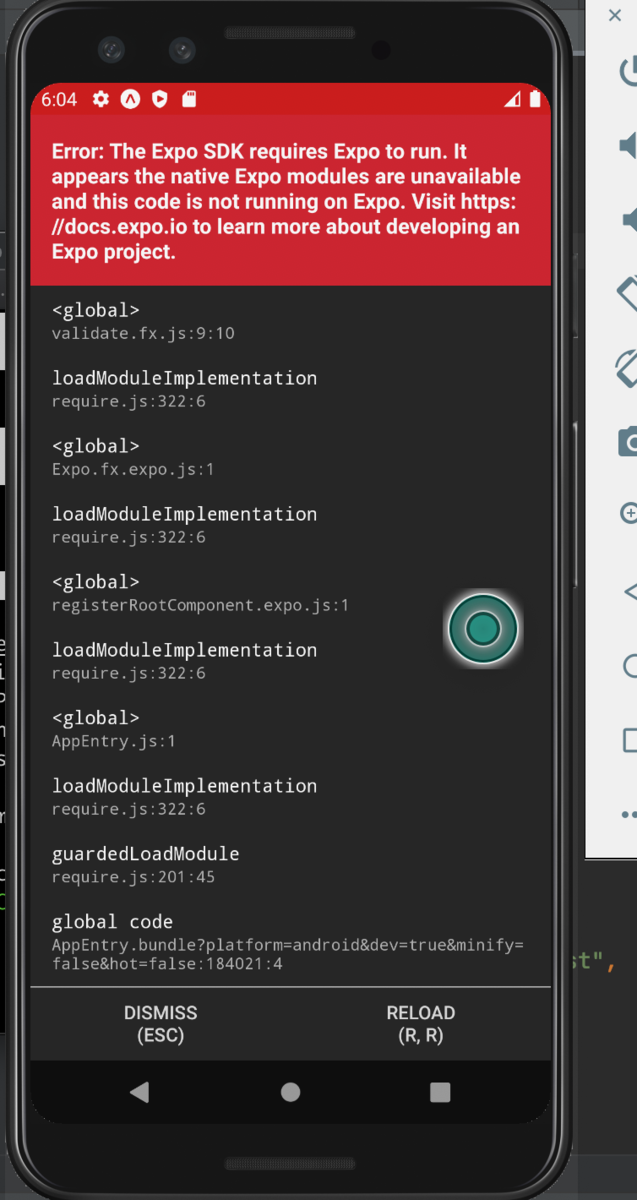
Error: The Expo SDK requires Expo to run. It appears the native Expo modules are unavailable and this code is not running on Expo. Visit https://docs.expo.io to learn more about developng an Expo project.
対処法
SDKの場所を確認
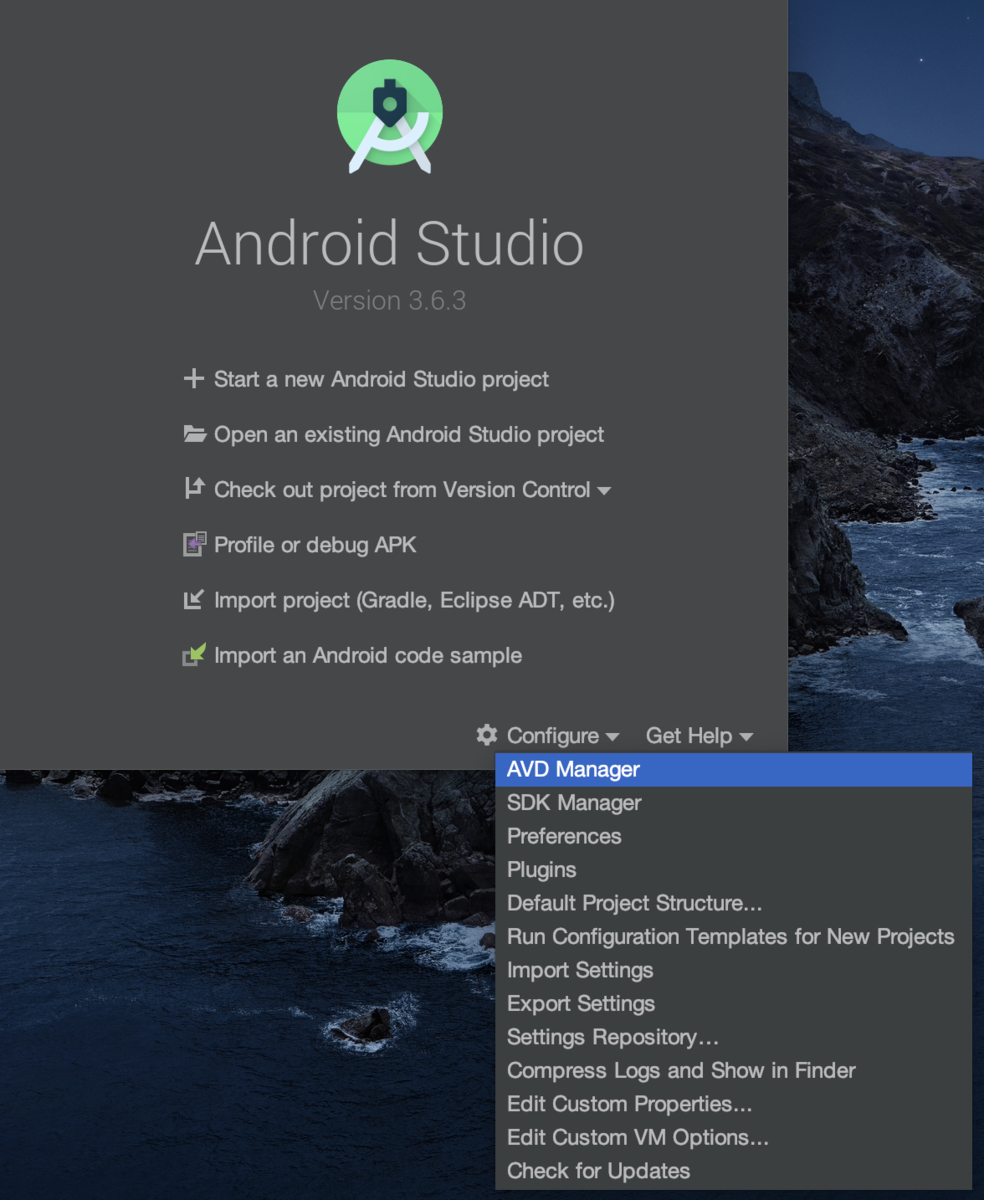

DNSの再設定
- エミュレーターの確認
cd /Users/username/Library/Android/emulator
./emulator -list-avds
Pixel_3a_API_R
- DNSサーバーの指定
./emulator -avd Pixel_3a_API_R -dns-server 8.8.8.8
復活!!
Expo + TypeScript で Eslint と Prettier を設定するまで
はじめに
Linterの設定はいつも大苦戦、、、いつかの私に捧ぐLinterの設定メモ
Expo
ExpoのCLIをインストール
npm install -g expo-cli
インストール完了
expo --version
3.17.24
Expoのプロジェクト作成
後入れしたかったのでここではあえてTypeScriptは選択しない
$ expo init expo-app
? Choose a template:
  ----- Managed workflow -----
❯ blank                 a minimal app as clean as an empty canvas
  blank (TypeScript)    same as blank but with TypeScript configuration
  tabs                  several example screens and tabs using react-navigation
  ----- Bare workflow -----
  minimal               bare and minimal, just the essentials to get you started
  minimal (TypeScript)  same as minimal but with TypeScript configuration
Expoプロジェクト立ち上げ
プロジェクト作成が終わったら、早速立ち上げてみる
cd expo-app
npm run start
localhostでExpoの画面が立ち上がるので、Run on iOS simulator ボタンをクリック
(※ここではシミュレーターの設定は省略)

TypeScript
インストール
npm install --save-dev typescript
configファイルを追加
プロジェクト配下にconfig.jsonファイルができる
tsc --init
tsconfig.jsonをゆるっと設定
{
  "compilerOptions": {
    "allowSyntheticDefaultImports": true,
    "jsx": "react-native",
    "lib": ["dom", "esnext"],
    "moduleResolution": "node",
    "noEmit": true,
    "skipLibCheck": true,
    "resolveJsonModule": true,
    "strict": false
  }
}
型定義等追加
npm install --save-dev @types/react @types/react-native @types/expo
Appの拡張子もなおしておく
mv App.js App.tsx
TypeScriptを導入したをExpoプロジェクト立ち上げる
npm run start
エラーも出ず、先ほどと同じ画面が立ち上がればOK
EsLint
さてここからが本番
Eslintを導入
npm install --save-dev eslint
設定ファイルを作成
Eslintの設定ファイルをつくる
./node_modules/.bin/eslint --init
流れにそって設定
? How would you like to use ESLint?
   To check syntax only
❯ To check syntax and find problems
   To check syntax, find problems, and enforce code style
? What type of modules does your project use? (Use arrow keys)
❯ JavaScript modules (import/export)
  CommonJS (require/exports)
  None of these
? Which framework does your project use?
❯ React
  Vue.js
  None of these
? Does your project use TypeScript? (y/N) N
? Where does your code run?
❯◉ Browser
 ◉ Node
? What format do you want your config file to be in?
❯ JavaScript
  YAML
  JSON
? Would you like to install them now with npm? (Y/n) Y
最後まですすむとプロジェクト配下にeslintrc.jsファイルが爆誕
module.exports = {
    "env": {
        "browser": true,
        "es6": true,
        "node": true
    },
    "extends": [
        "eslint:recommended",
        "plugin:react/recommended"
    ],
    "globals": {
        "Atomics": "readonly",
        "SharedArrayBuffer": "readonly"
    },
    "parserOptions": {
        "ecmaFeatures": {
            "jsx": true
        },
        "ecmaVersion": 2018,
        "sourceType": "module"
    },
    "plugins": [
        "react"
    ],
    "rules": {
    }
};
スクリプトの設定
package.jsonに追加
  "scripts": {
    "start": "expo start",
    "android": "expo start --android",
    "ios": "expo start --ios",
    "web": "expo start --web",
    "eject": "expo eject",
    "lint": "eslint ./ --ext .jsx,js,tsx"     // 追加
  },
これでnpm run lintでlinterのチェックをしてくれるはず
ライブラリを導入していく
npm install --save-dev eslint-config-airbnb
今回はairbnbというEslintのルールを使用
npm install --save-dev eslint-plugin-import eslint-plugin-jsx-a11y eslint-plugin-react
TypeScript系
npm install --save-dev @typescript-eslint/eslint-plugin @typescript-eslint/parser
Prettier系
npm install --save-de prettier eslint-config-prettier eslint-plugin-prettier
configファイルに追加
eslintrc.jsに設定を書き加えて完成
ルールはお好みでどうぞ!
module.exports = {
  env: {
    "browser": true,
    "es6": true,
    "node": true
  },
  extends: [
    "eslint:recommended",
    "plugin:react/recommended",
    "plugin:@typescript-eslint/eslint-recommended",
    "plugin:jsx-a11y/recommended",
    "plugin:import/errors",
    "plugin:import/warnings",
    "plugin:import/typescript",
    "airbnb",
  ],
  globals: {
    "Atomics": "readonly",
    "SharedArrayBuffer": "readonly"
  },
  parserOptions: {
    "ecmaFeatures": {
    "jsx": true
  },
  "ecmaVersion": 2018,
  "sourceType": "module"
  },
  plugins: [
    "react",
    "@typescript-eslint",
    "jsx-a11y",
    "import",
    "eslint-plugin-prettier",
  ],
  rules: {
    'prettier/prettier': [
      'error',
      {
        singleQuote: true,
        trailingComma: 'es5',
      },
    ],
    "react/jsx-filename-extension": [1, { "extensions": [".js", ".jsx", ".tsx", "ts"] }],
    "import/extensions": [
      "error",
      "ignorePackages",
      {
        "js": "never",
        "jsx": "never",
        "ts": "never",
        "tsx": "never"
      }
    ],
  },
  settings: {
    "import/resolver": {
      "node": {
        "extensions": [
          ".js",
          ".jsx",
          ".json",
          ".ts",
          ".tsx"
        ]
      }
    }
  }
};
Reactを最小構成で動かす
はじめに
クラスもコンポーネントとりあえず置いて、まずはうごかしたい・・!!
Reactを最小構成で動かす
Reactをインストール
Reactをグローバルにインストールした後に。
npx reate-react-app react-todo
yarn start
使用しないファイル削除
まずは、「いつか使うけど、今はいらない」ファイルを消していく
src/App.js
src/App.test.js
src/App.css
src/index.css
src/logo.svg
削除されたファイルを参照しているところがエラーとなるので、全部消す
コードをぺろっと書く
src/index.js
import React from "react"
import ReactDOM from 'react-dom'

const name = 'micronn';
const element = <h1>Hello, {name}</h1>;

ReactDOM.render(
  element,
  document.getElementById('root')
);
ブラウザ
localhost:3000にアクセスしてみる
 Hellooooooooooooooooooooooo(゚▽゚)
ローカル環境で立ち上げているNuxt.jsの画面をスマホで確認する
はじめに
いつもローカル環境をスマホで確認するときに、 特に設定等をしていなかったのにNuxt.jsだとうまくいかなかった
ローカル環境で立ち上げたNUxt.jsの画面をスマホで確認する方法
PCとスマホを同じwifiに接続する
システム環境設定>ネットワークでIPアドレスを確認する
ファイアウォールもオフに設定しておく
ホスト名とポート番号を指定
package.jsonを編集
--hostname にはIPアドレスを入力、--portでは立ち上げたいポートを指定
"scripts": {
  "dev": "nuxt --hostname 192.168.000.001 --port 3000",
あとは立ち上げるだけ
npm run dev
スマホでURLを入力
http://192.168.000.001:3000
